Photography is a captivating art form that allows individuals to express their creativity and capture the beauty of the world around them. Whether you’re a seasoned professional or a beginner, there’s always room for improvement in photography. In this article, we’ll explore various tips and techniques to help you enhance your photography skills and take your images to the next level.
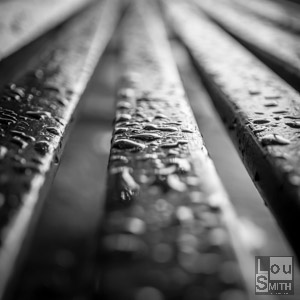
Understanding Your Camera
Before you start taking pictures, it’s essential to understand your camera’s settings and features. Read your camera’s manual, experiment with different modes, and practice using them. Familiarize yourself with the exposure triangle (aperture, shutter speed, and ISO) and learn how to adjust them to achieve the desired effect. If you need to book a Beginners Photography Course with Lou Smith
Aperture, measured in f-stops, controls the amount of light that enters the lens. A lower f-stop value (e.g., f/2.8) means a larger aperture, while a higher value (e.g., f/16) means a smaller aperture. Shutter speed, measured in seconds or fractions of a second, controls the length of time the camera’s shutter is open. ISO, measured in numerical values (e.g., ISO 100), controls the camera’s sensitivity to light.
Developing Your Eye
Good photography starts with a good eye. Train yourself to see the world in a different way by observing the world around you. Study the work of other photographers, both online and in exhibitions. Pay attention to composition, lighting, and color. Practice looking for interesting scenes, textures, and patterns.
Visit museums, galleries, and art exhibitions to see the work of renowned photographers and artists. Analyze their compositions, lighting, and use of color. Understand what makes their images successful and how you can apply those techniques to your own photography.
The Importance of Composition
Composition is a critical element of photography. It’s the process of arranging visual elements in a way that creates a cohesive and aesthetically pleasing image. Here are some composition techniques to keep in mind:
- Rule of thirds: Divide the image into thirds both horizontally and vertically. Place important elements along these lines or at their intersections.
- Leading lines: Look for leading lines that can guide the viewer’s eye to the subject. These lines can be roads, paths, shorelines, or any other continuous feature.
- Framing: Use natural or man-made features to frame your subject. This can include archways, doorways, trees, or rocks.
- Symmetry: Look for symmetrical compositions that can create a sense of order and balance.
Lighting: The Key to Great Photography
Lighting is one of the most critical elements of photography. It can make or break an image. Here are some lighting techniques to keep in mind:
- Natural light: Shoot during the golden hour (dawn or dusk) when the light is soft and warm.
- Artificial light: Use flash, lamps, or other light sources to add depth and interest to your images.
- Mixed lighting: Combine natural and artificial light to create a unique and interesting effect.
Experimenting with Different Genres
Don’t be afraid to try different genres of photography, such as landscape, portrait, street, or still life. Each genre has its own unique challenges and opportunities, and experimenting with different styles can help you discover your strengths and weaknesses.
- Landscape photography: Focus on capturing the beauty of the natural world. Use a wide-angle lens and a small aperture to ensure a large depth of field.
- Portrait photography: Focus on capturing the personality and character of your subject. Use a prime lens and a wide aperture to create a shallow depth of field.
- Street photography: Focus on capturing the hustle and bustle of everyday life. Use a prime lens and a wide aperture to create a shallow depth of field.
- Long exposure photography. Focus on capturing long exposures to create evocative Fine Art images.
- Night photography. Capture the magic of the city at night.
The Art of Editing
Editing is an essential part of the photography process. It allows you to enhance your images, correct mistakes, and create a specific mood. Here are some editing techniques to keep in mind:
- Raw image editing: Shoot in raw format to capture the maximum amount of image data. Use software like Lightroom or Adobe Camera Raw to edit your raw images.
- Color grading: Adjust the color temperature and tint of your images to create a specific mood or atmosphere.
- Noise reduction: Use noise reduction tools to minimize digital noise and create a cleaner image.
Getting Feedback and Learning from Others
Join a photography community or find a mentor like Lou Smith who can give you constructive feedback on your work. Listen to their suggestions and use them to improve your photography.
- Online communities: Join online forums, social media groups, or photography clubs to connect with other photographers and learn from their experiences.
- Workshops and classes: Attend workshops and classes to learn new techniques and get hands-on experience.
Conclusion
Photography is a journey, not a destination. It takes time, patience, and practice to develop your skills and create stunning images. By understanding your camera, developing your eye, and experimenting with different techniques, you can take your photography to the next level.
At Lou Smith Fine Art Photography, we’re passionate about helping photographers improve their skills and capture stunning images. Visit our website at www.lousmith.co.uk to learn more about our photography services and workshops. Happy shooting!
