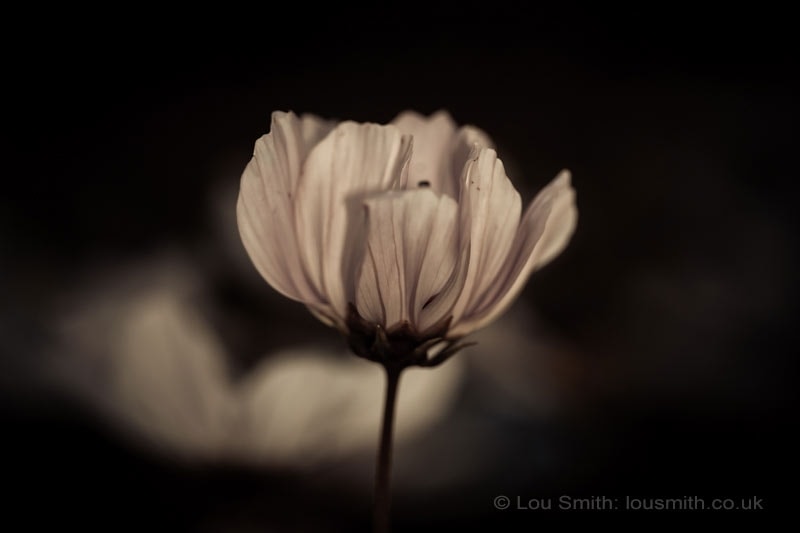
Pursuing light with intensity, Lou Smith creates Fine Art photography shaped by emotional perception, form and space. Each image begins as a visual enquiry—an attentive response to what the light is doing, how it falls, how it gathers shadow, and how it transforms everyday moments into something sculptural and meaningful. In the fast-moving rhythm of the city, walking with a camera becomes a lived practice: quick shifts, sudden angles, reflections that fracture and reappear, and textures that feel almost tactile. For Lou, photography isn’t only about seeing—it’s about translating sensation into design: balancing structure and space, refining composition through art principles, and editing with intention so the final photograph feels inevitable. Whether drawn to bold contrasts or quiet atmosphere, her work invites viewers to slow down and notice the emotional charge inside light itself. Lou Smith Fine Art Photography—light-led images that resonate with depth, clarity and mood.
Do I Need the Perfect Camera?
Creativity in photography isn’t about having “the perfect camera”—it’s about training your eye to notice new possibilities and giving yourself constraints that push you to make fresh choices. Here are practical ways to unlock more creative photos, faster.
1) Change the rules you usually follow
If you always shoot at eye level, try kneeling, climbing, or photographing from the ground. If you usually center the subject, intentionally use negative space or place the subject off-center. Creativity grows when you break your default framing habits.
2) Pick a theme before you pick a subject
Instead of “I’ll go take photos,” try: “I’m collecting images about reflections,” “light leaks,” “hands,” “patterns,” or “motion.” A theme gives you direction and makes it easier to spot interesting scenes.

3) Use limitations on purpose
Constraints force creativity:
- Shoot only in one focal length (or only wide-angle / only telephoto).
- Shoot only in monochrome for one session.
- Limit yourself to 20 minutes.
- Make a series of 10 images that all share one visual element (doorways, shadows, stripes).
4) Photograph the boring moments, but with a plan
Creative work often comes from seeing what others skip. Try documenting a routine (making coffee, packing a bag, waiting at a bus stop) and decide you’re looking for one thing—steam, steam-to-shadow contrast, repeating gestures, or color order.
5) Create depth with foreground + subject + background
A simple technique: include something in the foreground (even slightly out of focus), place your subject in the middle, and use the background to add story or color. Depth instantly makes images feel more intentional and cinematic.
6) Learn to “steer” the light
Instead of chasing the best weather, choose how you’ll work with light:
- Backlight for silhouettes and glow
- Side light for texture and strong shadows
- Overcast for soft, even tones
- Golden hour for warmth and long shapes
Ask: what mood does this light create, and how can I emphasize it?
7) Focus on one visual idea, not everything at once
Creativity improves when you simplify. Before you shoot, identify your “one idea”:
- pattern
- contrast (bright/dark, old/new, near/far)
- emotion (awkward, peaceful, energetic)
- transformation (before/after, worn/new, shadow/light)
Then compose to support that idea—remove distractions until the picture feels inevitable.
8) Experiment with movement
Try one of these:
- Slow shutter for motion blur (water, traffic, hair, leaves)
- Panning to match a moving subject
- Intentional camera movement for abstract energy
Shoot a burst while moving your body differently—small changes often create noticeably different results.
9) Treat your editing like a second shoot
Editing isn’t just “make it look better.” It’s where you finalize the creative intent.
- Adjust contrast to shape mood
- Crop to strengthen composition and story
- Use color (or remove it) to guide attention
A good rule: change only one thing at a time so you learn what each decision does.
10) Make series, not single shots
One great photo can be luck. A creative body of work usually comes from a set:
- 5–10 photos exploring the same motif
- a “before and after” sequence
- a mini-story with a clear beginning, middle, and end
Series thinking turns random shooting into creative practice.
A simple creative challenge (try this today)
Set a timer for 30 minutes and shoot only:
- one texture close-up
- one reflection
- one shadow
- one pattern
- one image that uses negative space
Afterward, pick your favorite and figure out what made it work—your next session will get easier.
Keep going: creativity is cumulative
Creative growth isn’t dramatic—it’s steady. Each time you make yourself experiment, you teach your eye something new. Each time you edit with intention, you build taste. And each time you produce a small body of work, you sharpen your visual voice.
Fine art photography is not about replicating what you see. It’s about revealing what you notice—and turning it into images that feel inevitable once they exist.
So, if you are hooked and want to become more creative, Try Creative Expression Photography with Lou Smith. This will open and train your creative eye
